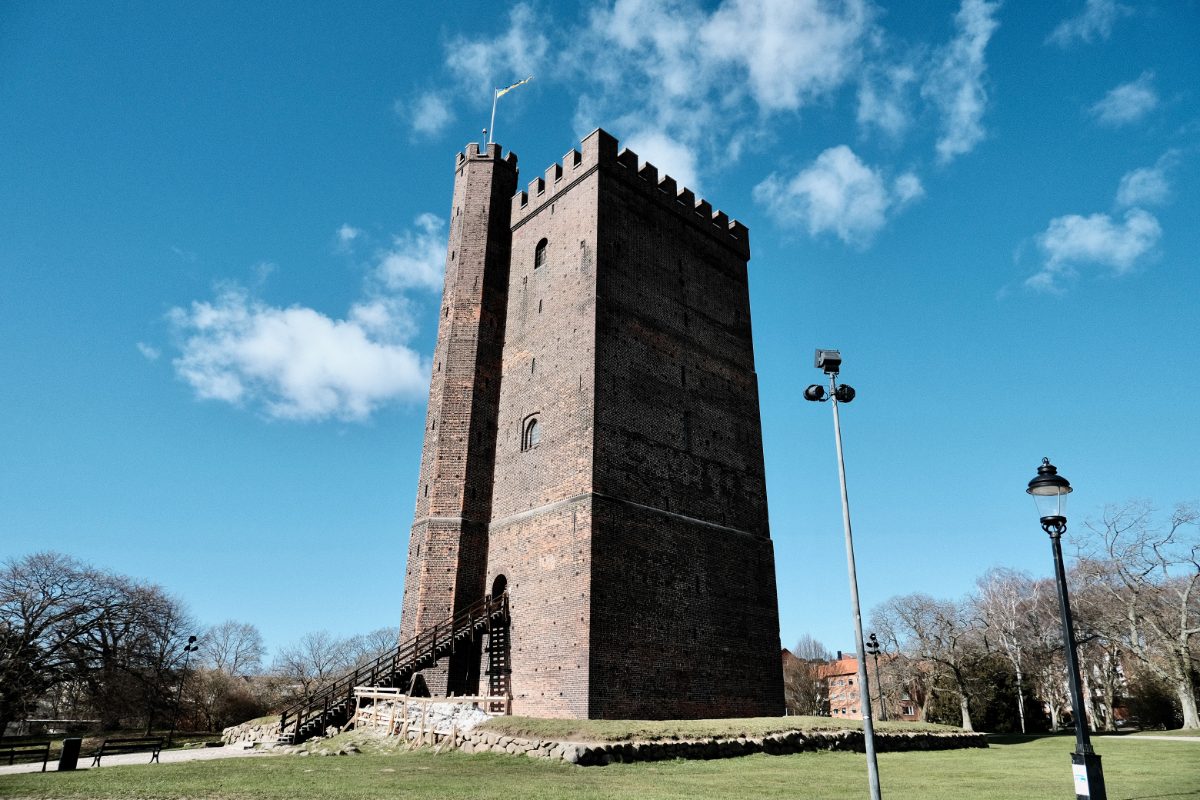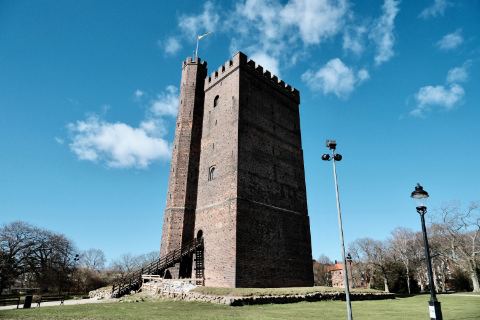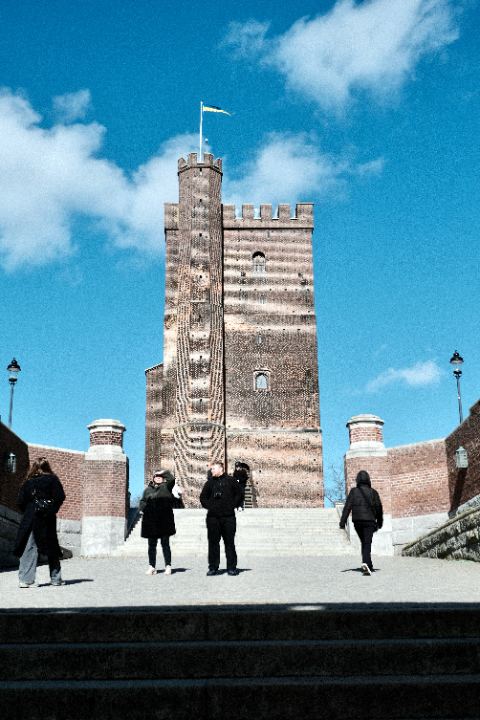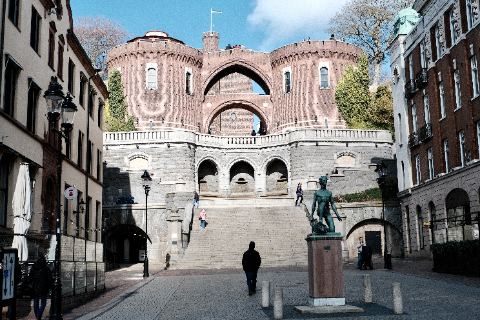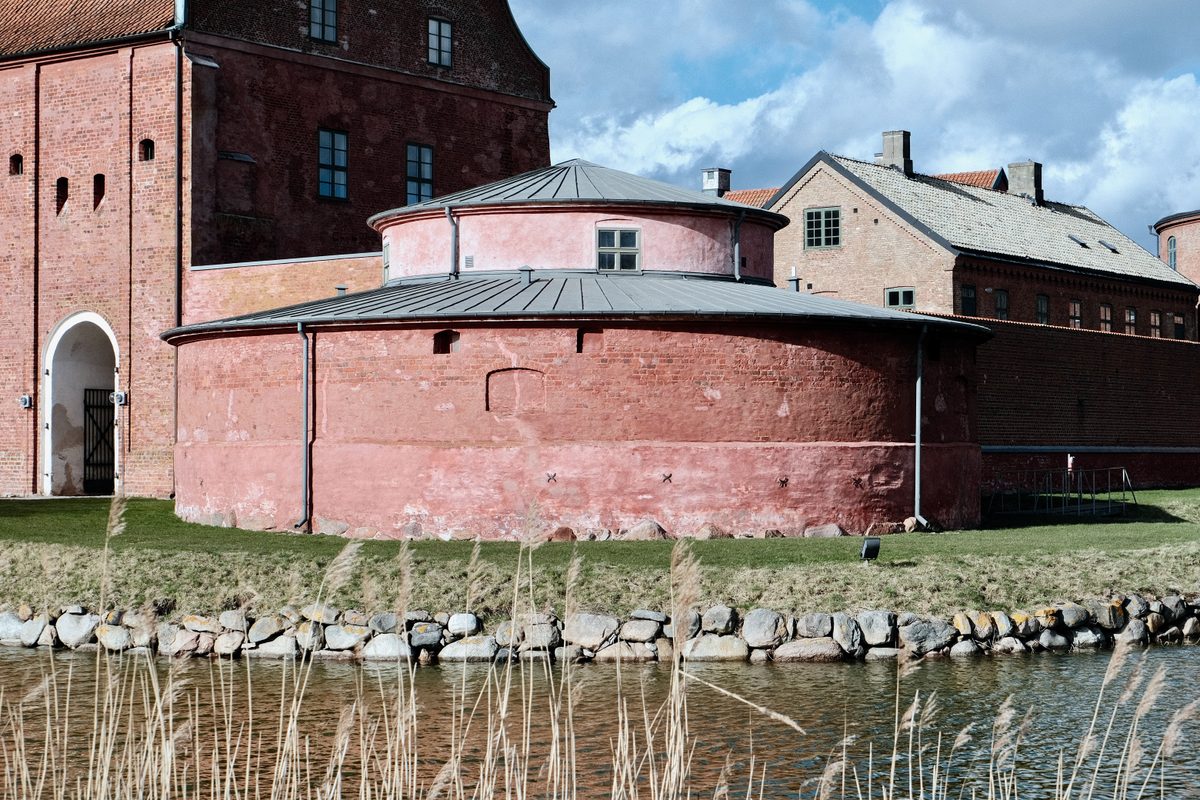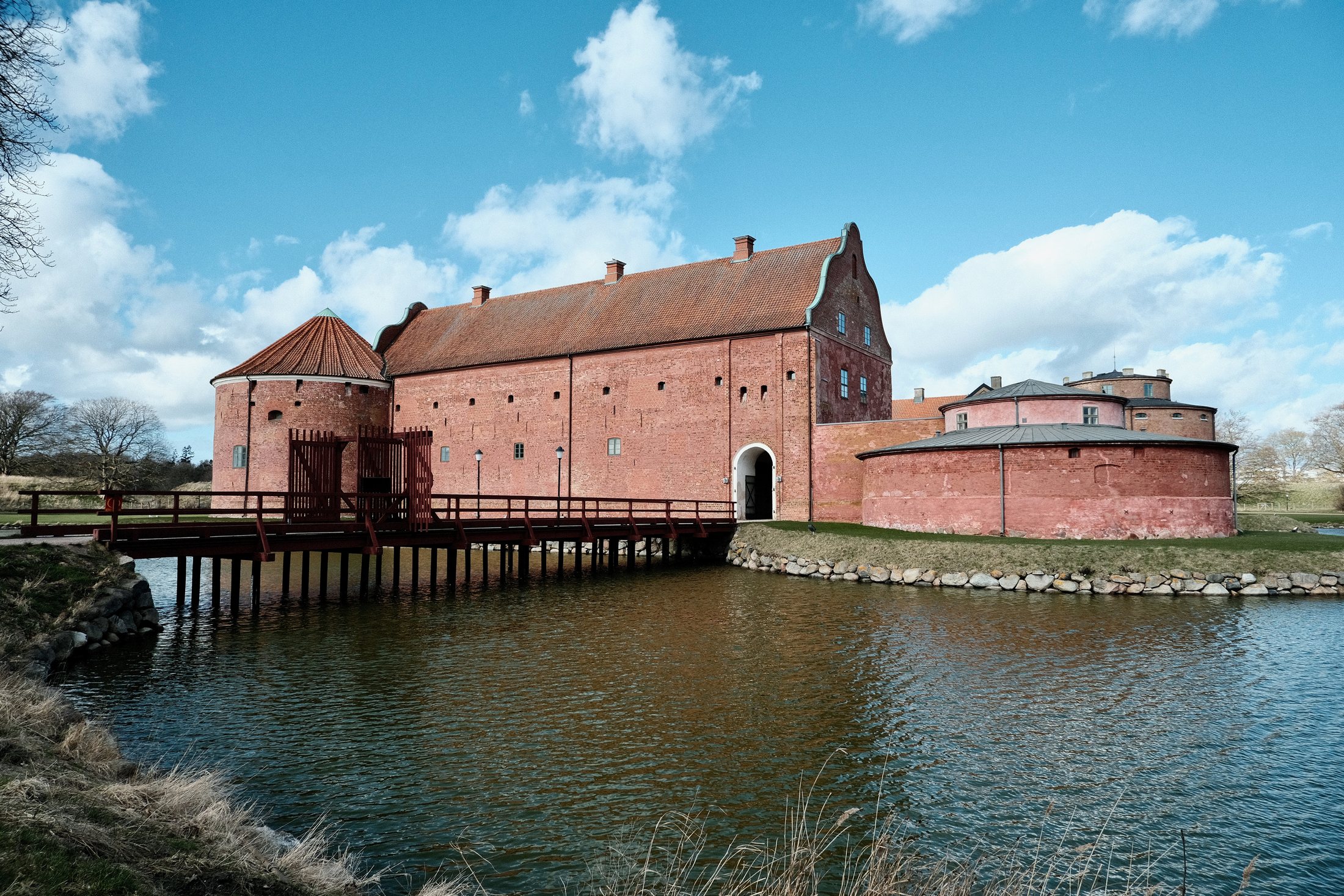
Christian III of Denmark started the citadel at Landskrona in 1549, and it took ten years to finish. The core is a square roughly ninety metres a side, a round tower at each corner, with an inner moat seventy metres wide around it. None of those numbers are decorative. Everything here was measured against what artillery of the day could do.
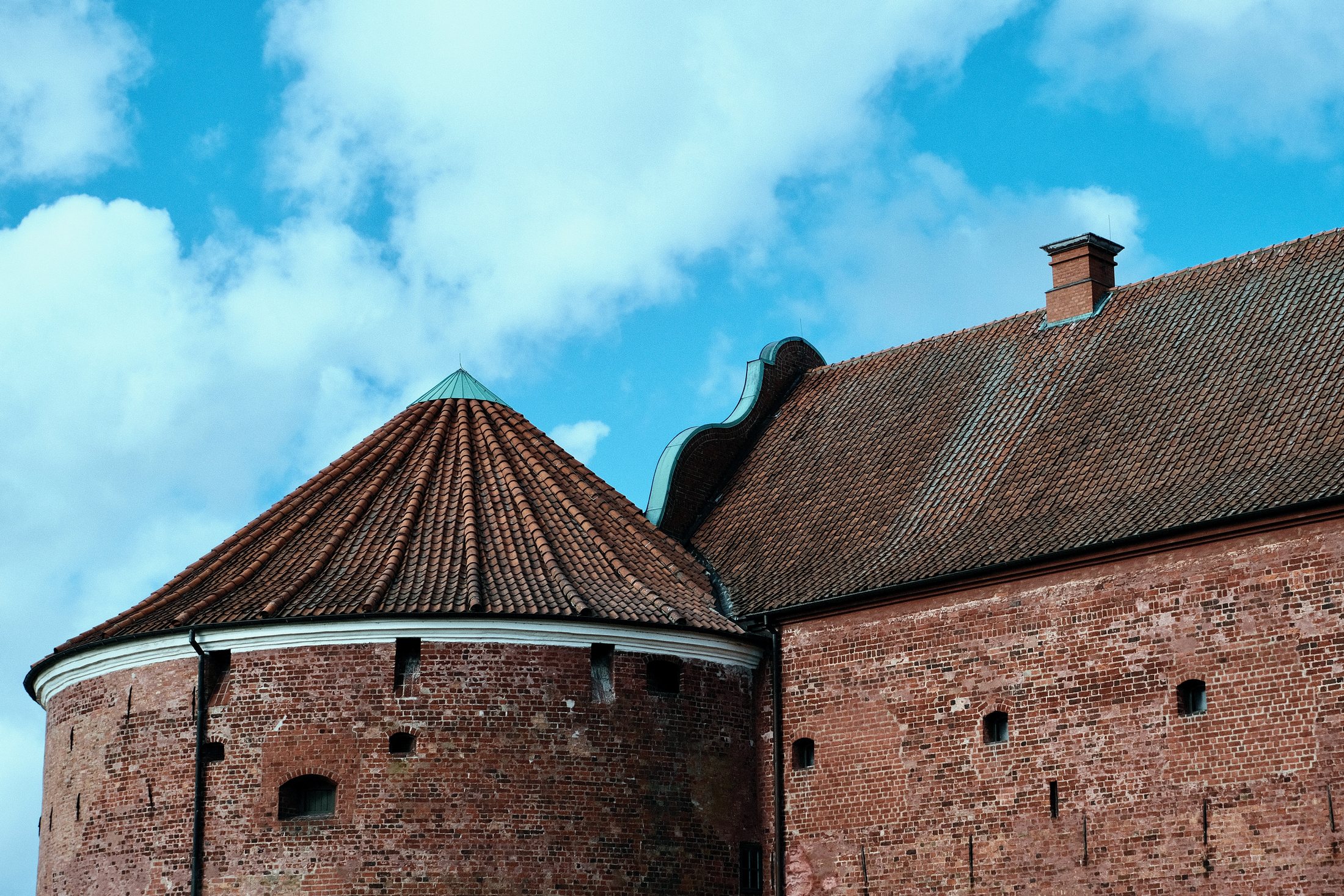
It is the best-preserved sixteenth-century castle in the Nordic countries, and the reason is not careful stewardship. Skåne passed to Sweden in 1658 and the fortress lost its job. From the early 1700s it held prisoners instead; from 1827, men serving life; in the twentieth century, women sentenced to forced labour. It was never fashionable enough to modernise and never important enough to pull down.
A fortress shaped by the Öresund
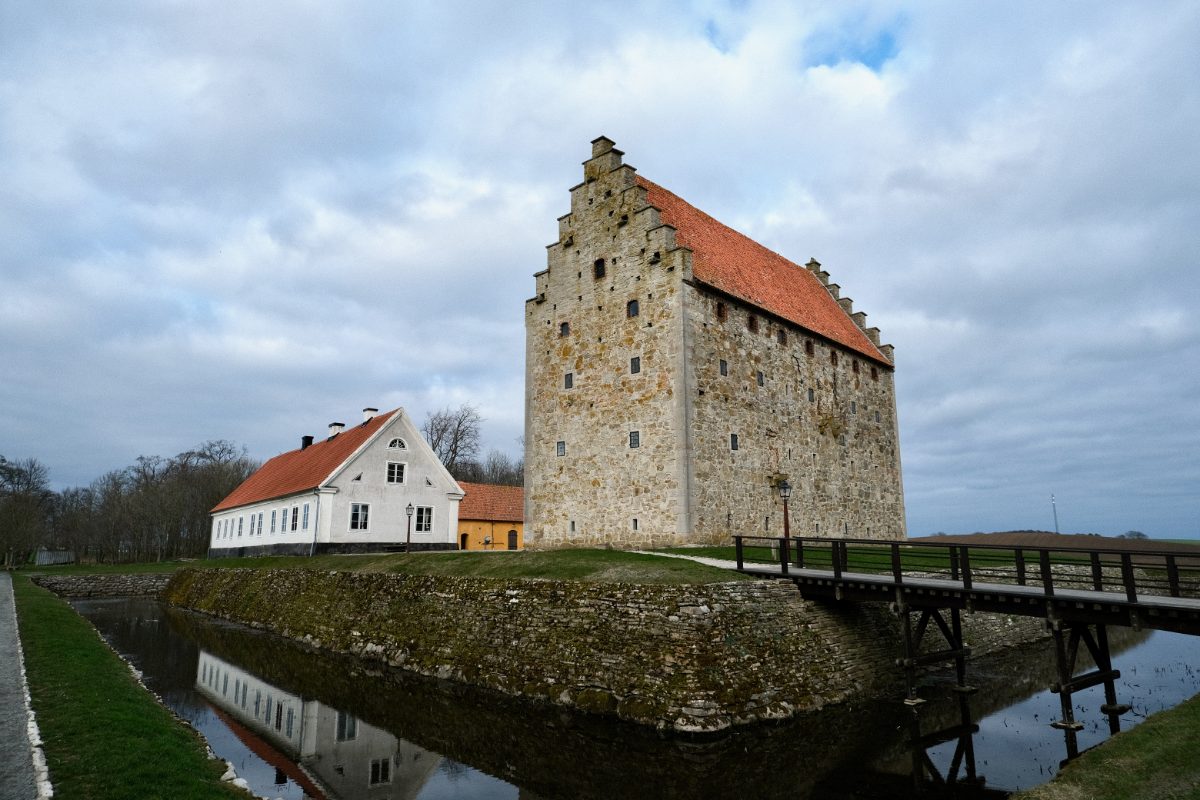
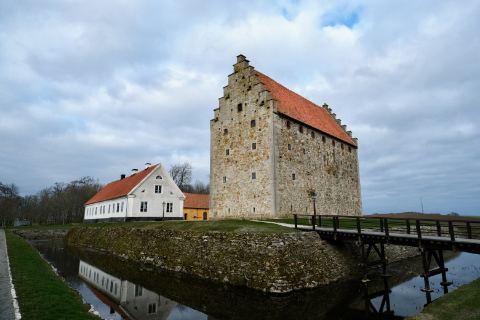
The moat is the thing everyone photographs, and it is also the whole argument of the building. Seventy metres of open water is not ornament — it is the distance an attacker had to cross with nowhere to stand. Today it holds a clean reflection of the brick and makes the place read as parkland, which is a strange afterlife for a structure whose entire logic was killing people at range.
Built to keep an army out of Skåne, and still standing because nobody could be bothered to demolish it.
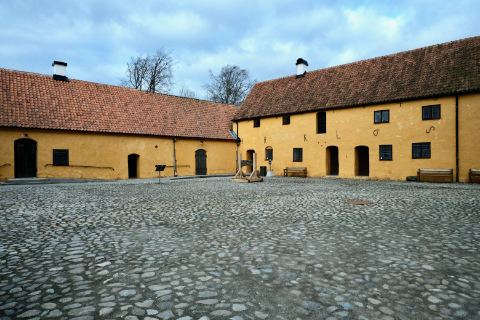
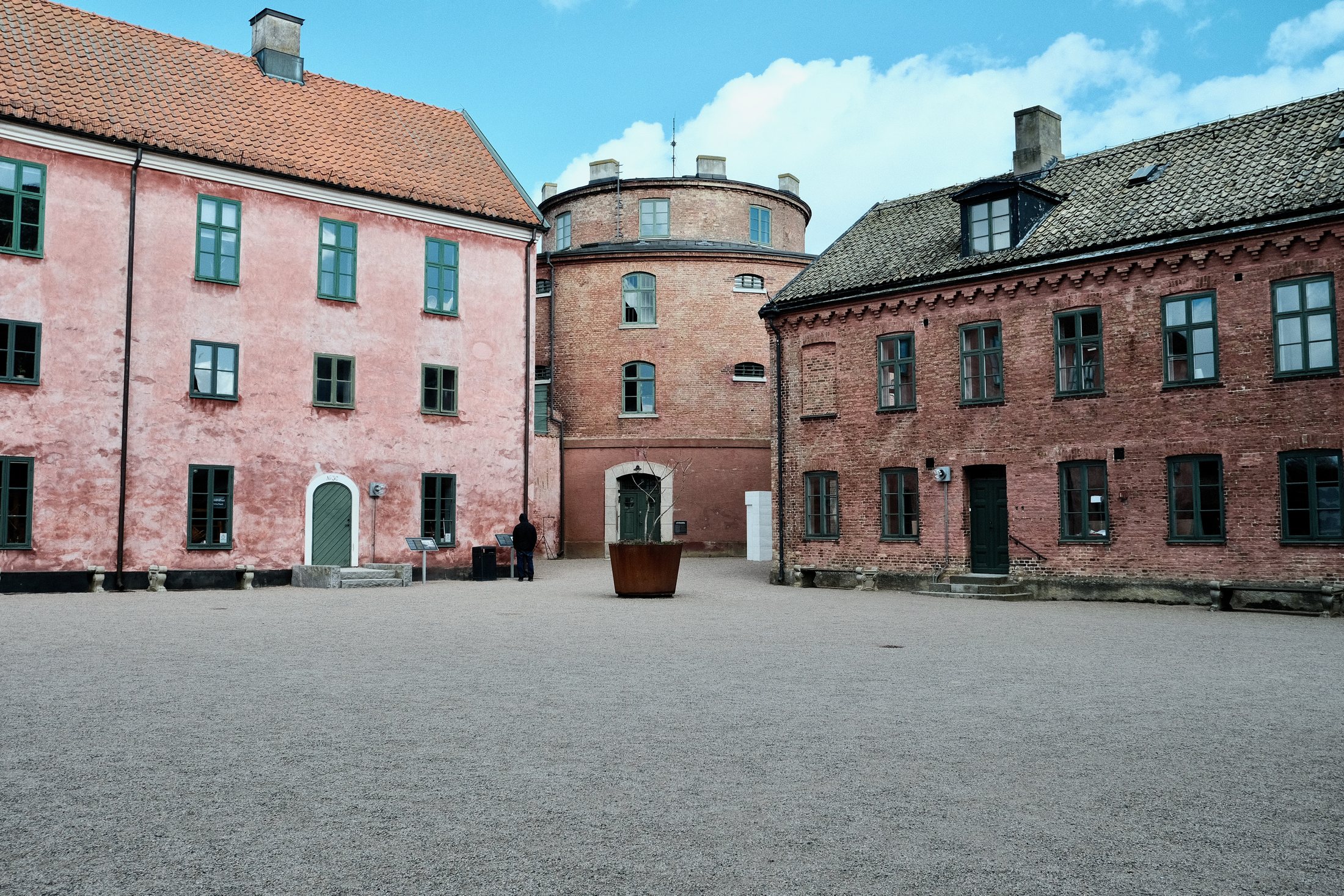
Inside the walls the scale drops sharply. Brick passages, low doorways, worn treads, a courtyard you cross in twenty paces. The rooms that held prisoners look like the rooms that held soldiers, because they are the same rooms.
What survives, and why
Most Renaissance fortresses around the Sound were rebuilt as weapons changed, then dismantled once they stopped mattering. Landskrona escaped both. Its earthworks are the only ones of their kind left in Sweden, preserved by two centuries of institutional use nobody wanted to advertise.
Walk the ramparts now, town on one side and water on the other, and it reads as green space. That is worth knowing about Nordic heritage in general: a surprising amount of what survives intact survives because it stayed useful for something grim long after the war it was built for had ended.